A relaxing walk through Bhopal’s busy streets, an evening walk along its lakes, a look at its minarets, and a peak at its structures reveal much about the city’s history and traditions. Stories of the city revolve around rulers, begums, decaying architecture, Mughal authority, and water bodies dating back to the 11th century. Bhopal may appear to be just another bustling Indian metropolis, with bustle, traffic jams, and tight roadways. However, as you walk throughout the city, its historical stories gradually emerge.
Bhopal, the capital of Madhya Pradesh state in central India, is best known as a day or two stop for travelers visiting Sanchi, Bhimbetka, and Udayagiri Caves.Bhopal, also known as the ‘City of Lakes’, is thought to have been founded in the 11th century by the king Parmara Raja Bhoj. The Mughals took over in the mid-16th century, and the local chieftains, known as Gonds, governed it. Later, when the British expanded their wings in the nineteenth century, Bhopal became a princely state controlled by four Begums, Bhopal’s Muslim rulers until the mid-twentieth century. Bhopal captured the world’s attention in 1984 when it experienced one of the greatest industrial disasters, killing over 4000 people.Old Bhopal is noted for its mosques, lanes, and markets, and is located to the north of the upper lake, whereas new Bhopal, with all of its modernism, is located to the south of the lake. Bhopal does not have much to offer visitors, and the most of its attractions may be visited in a single day.
Here are some popular spots to visit in Bhopal if you have a day to spare.
Mughal and Persian influence is visible throughout the city, which includes many historic structures with arches and domes. Moti Masjid, also known as Pearl Masjid, was built in 1860 CE by Sikander Jeahn Begum, one of Bhopal’s four Begums. It stands tall with a flight of steps and magnificent arches.Though the majority of the construction and tall minarets are constructed of red bricks, the main structure and prayer hall are made of marble.
Taj-ul-Masjid, with its pink exterior, resembles New Delhi’s Jama Masjid. Taj-ul-masjid, which translates to ‘The Crown of Mosques,’ can hold up to 175,000 people, making it India’s largest mosque and Asia’s second largest. Shah Jehan Begum began construction on the mosque in 1877 CE. However, due to a lack of funds, development was halted, but resumed in 1971. The mosque features three enormous white marble domes and two tall minarets. The massive entrance doors have arches, and the floors are marble.The main hallway is decorated with arches and pillars with beautiful designs and sculptures. The site also features a big courtyard.
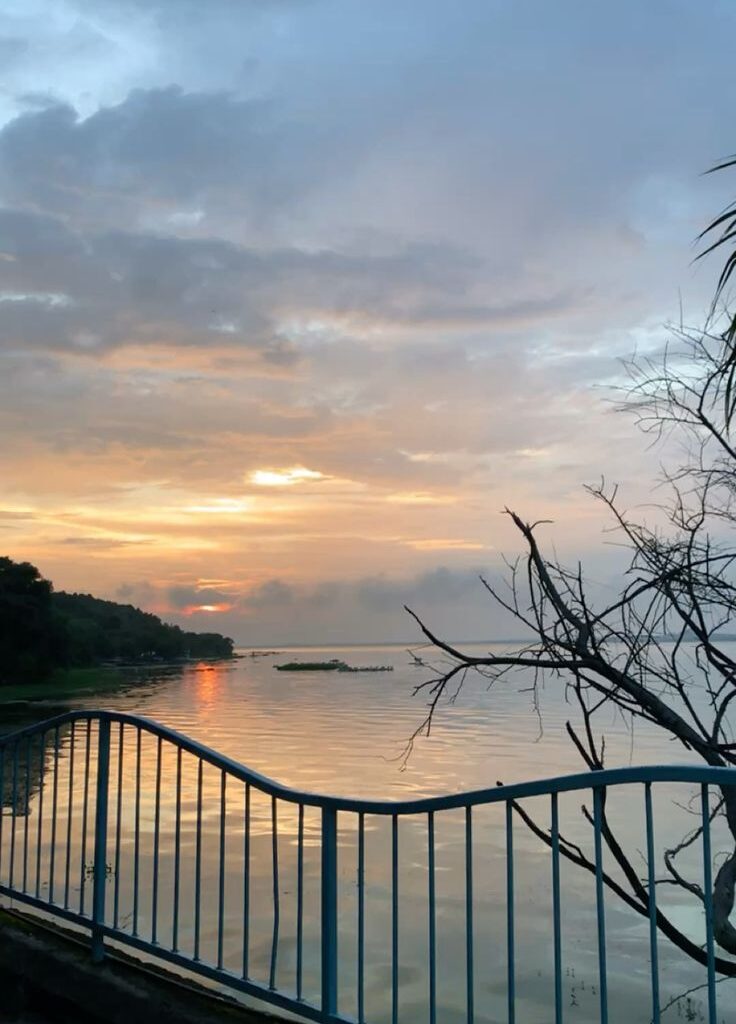
Bhopal is known as the “City of Lakes” because to the various bodies of water that exist across the city. The Upper Lake is the most prominent, and the city revolves around it. The lake, also known as Bhoj Tal or Bada Talab, was named after Parmara Raja Bhoj and is India’s largest constructed lake. Boating facilities, several eateries, and a sunset vista make this a perfect spot for an evening promenade. There is also a lesser lake near the upper lake that is separated by a bund and bridge.The Museum of Mankind, located near the upper lake, highlights the country’s unique tribal culture and art. Another attraction close to the upper lake is Van Vihar National Park, an open zoological park.
The city includes a few of really remarkable old marketplaces recognized for their alleyways and lively atmosphere. Sarafa market and Chowk bazaar are reminiscent of Persia’s traditional souqs. These markets sell a wide variety of things, including fabrics, jewelry, and biscuits. Zari work, a type of embroidery work used on sarees and purses, is prominent here. For people who want to shop in Bhopal, these are the places to go. The marketplaces also offer good eateries that serve local cuisine.
Bhopal was previously home to some spectacular structures and palaces, the most of which were built by British and local monarchs in the nineteenth century. Some of the most notable constructions include Sadar Manzil, Gohar Mahal, and Shaukat Mahal.
Travel tips:
Visit the mosques in the morning and then go to the upper lake in the evening. The evenings by the lake are nice.
Museum of Mankind closes at 5 p.m. and remains closed on Mondays.
On Sundays, most chowks and bazaars remain closed.
How to Get to Bhopal:
Bhopal is well-connected to other cities in India by air, rail, and road. It is recommended that you rent a taxi to get around the city.
Food and Accommodation:
Though the cuisine is predominantly Mughlai, Bhopal is famous for its jalebis and poha. Raja tea stall serves delicious poha, which you must taste. Risalas, a chicken dish famous among Bohra Muslims, is a must-try in Bhopal.
There are numerous eateries in the marketplaces that serve local specialties.
No responses yet